Meet Seed Savers Exchange member Curzio Caravati, self-described “horticultural researcher,” caretaker of rare potato varieties, and founder of the Kenosha Potato Project (KPP)—an initiative to augment the work of Seed Savers Exchange, the U.S. Potato Genebank, and others to safeguard the genetic diversity of the potato, one of the most important crops in the world.
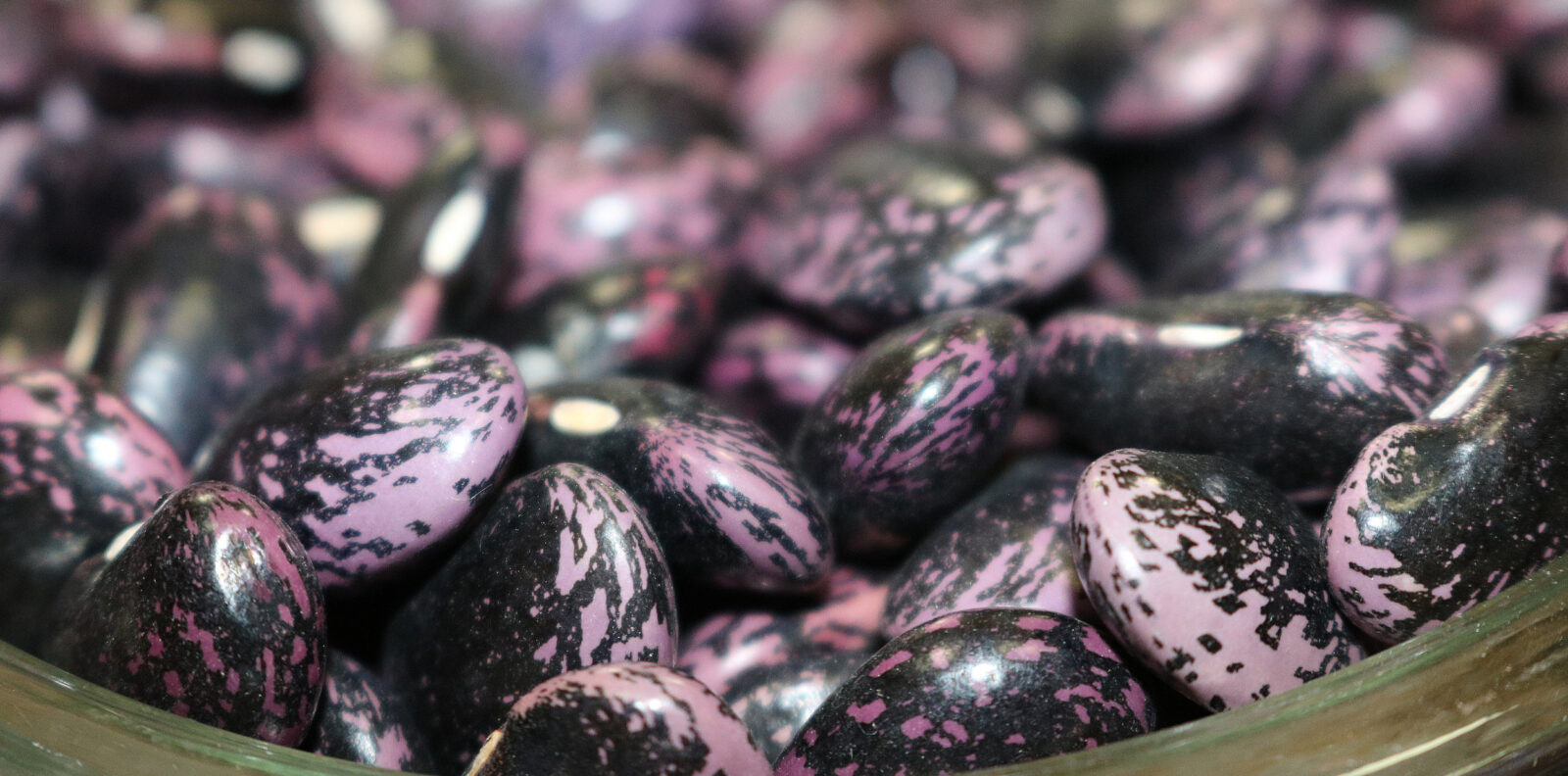
In the summer of 2018, Seed Savers Exchange regenerated, or “resurrected” three rare seed varieties from the collection, including a runner bean, black oats, and corn.
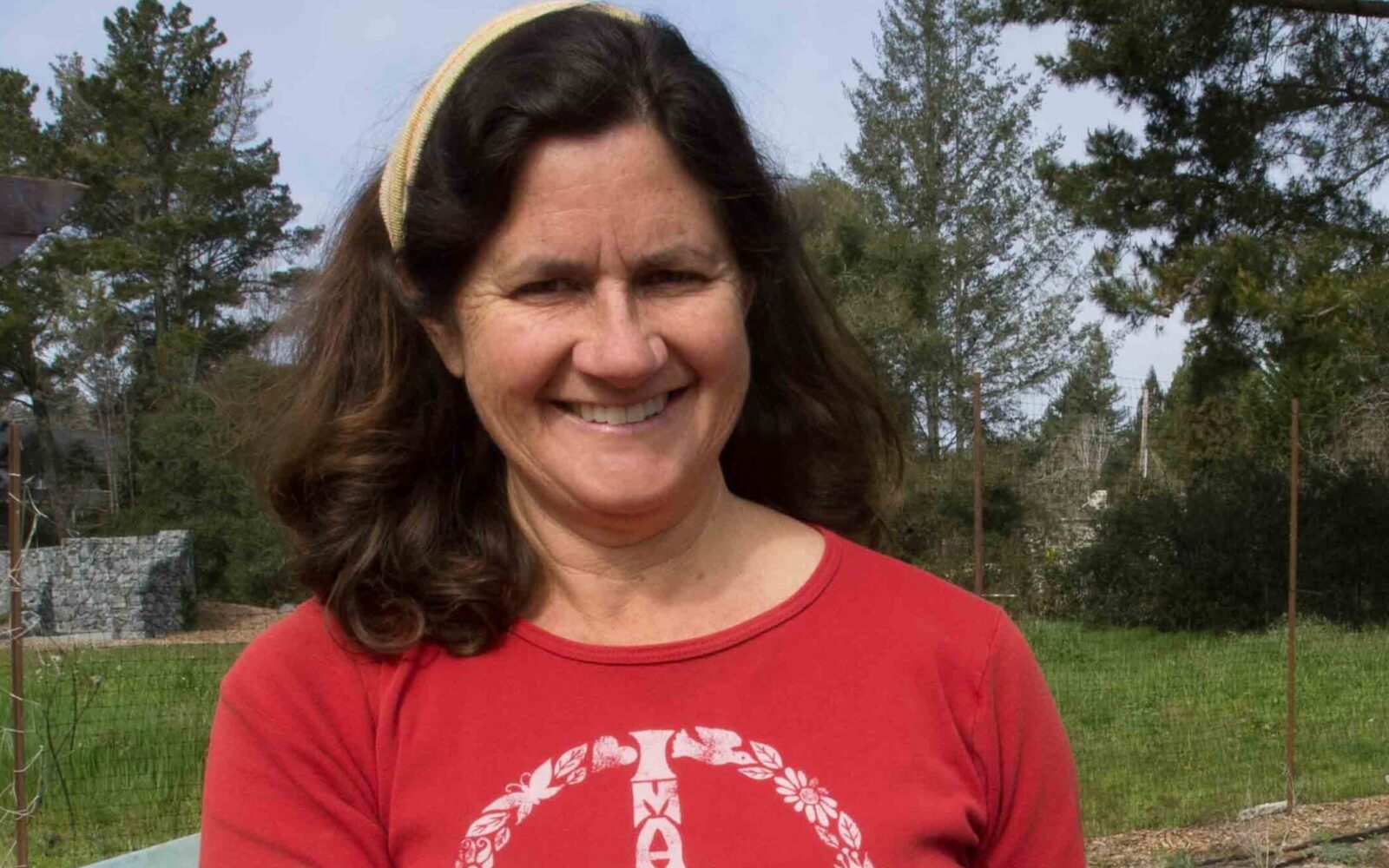
Sara McCamant of Sebastopol, California, has never met a garden plot she didn’t like. “Gardening’s in my blood,” she says. “Growing up in a family of gardeners, I’ve always had a passion for planting things and digging in the dirt.” And she has happily spent much of her life pursuing that passion.
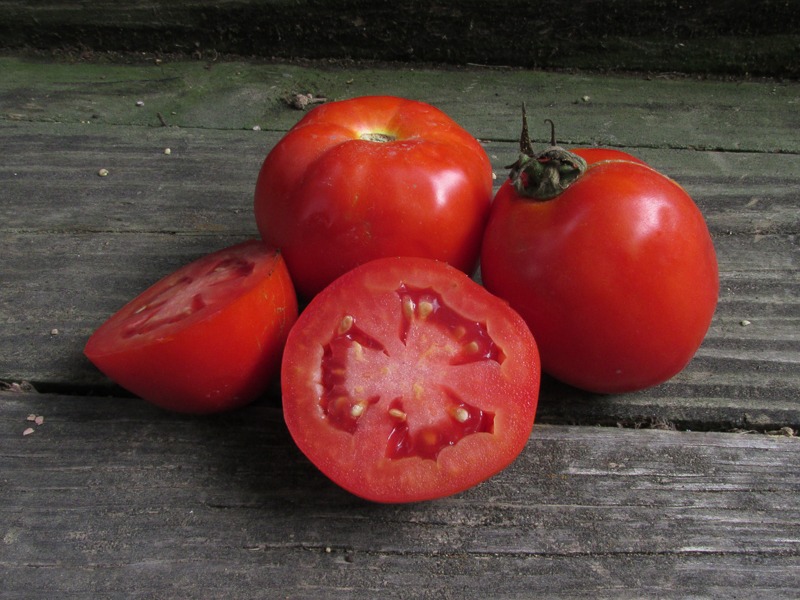
Discover the history of A.W. Livingston, the father of modern tomatoes, and his transformative work in tomato breeding. Learn about the legacy of Livingston’s varieties, their restoration by Victory Seed Company, and the unique characteristics of tomatoes like ‘Livingston’s Paragon’ and ‘Honor Bright’ that have shaped today’s tomato culture.
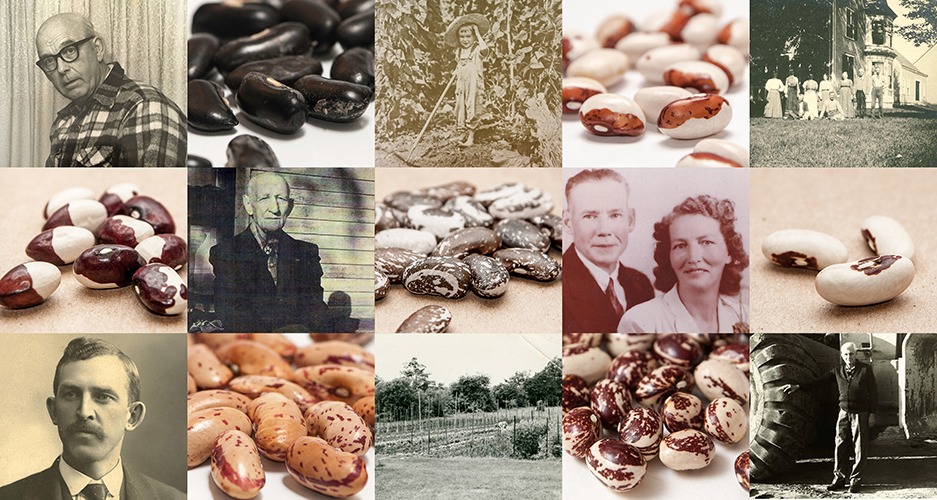
From Washington to Massachusetts, John Withee’s collection is being honored and protected by the next generation of seed savers who carry on his legacy of growing and sharing heirloom beans. Here you can follow the plight of just a few of the varieties in the John Withee bean collection.
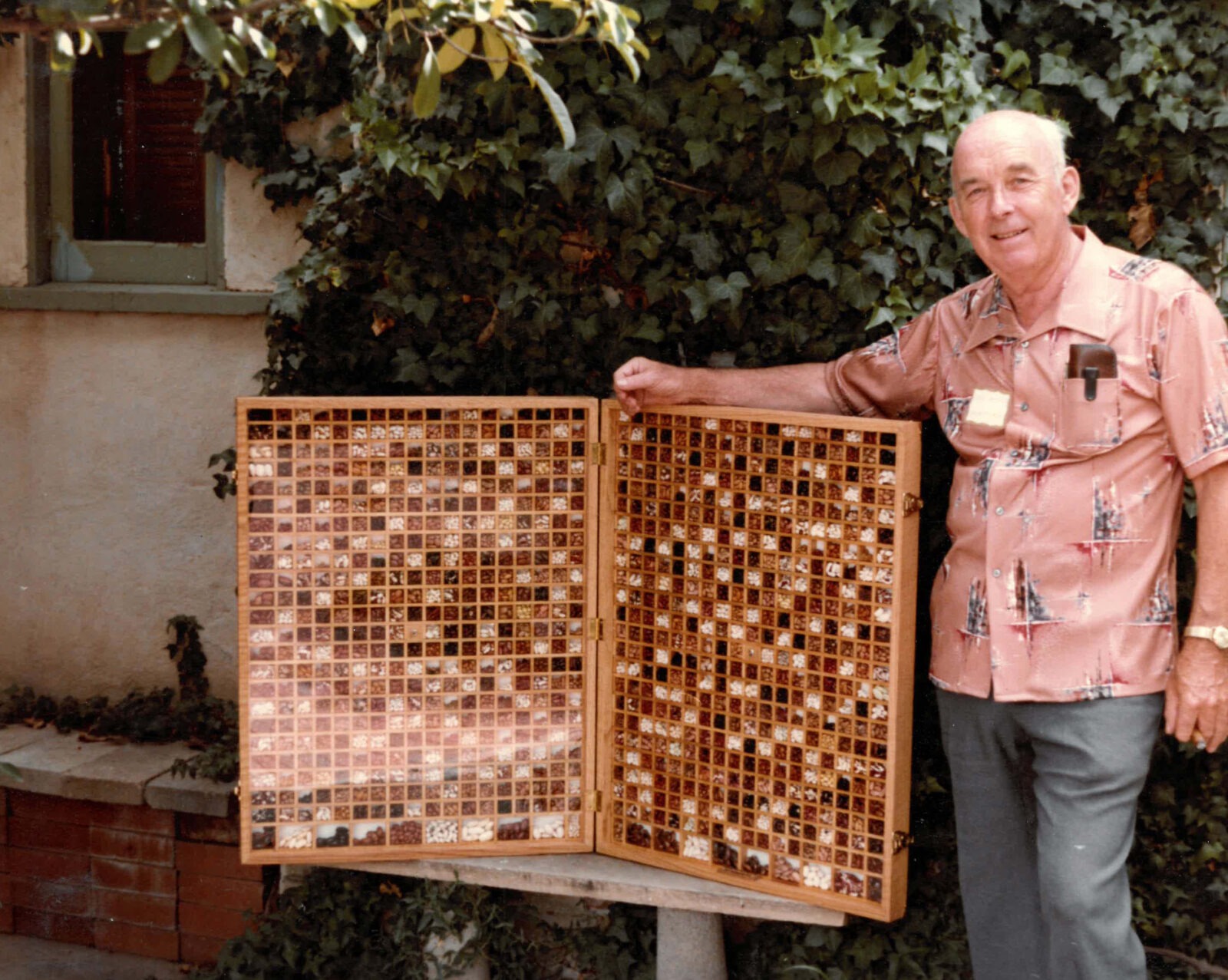
John Withee became a legend championing bean biodiversity and seeking to protect heirloom beans from extinction. John took his hobby to the extreme, building a national network of bean aficionados, amassing a collection of 1,186 varieties, and gaining national fame for his humble campaign.
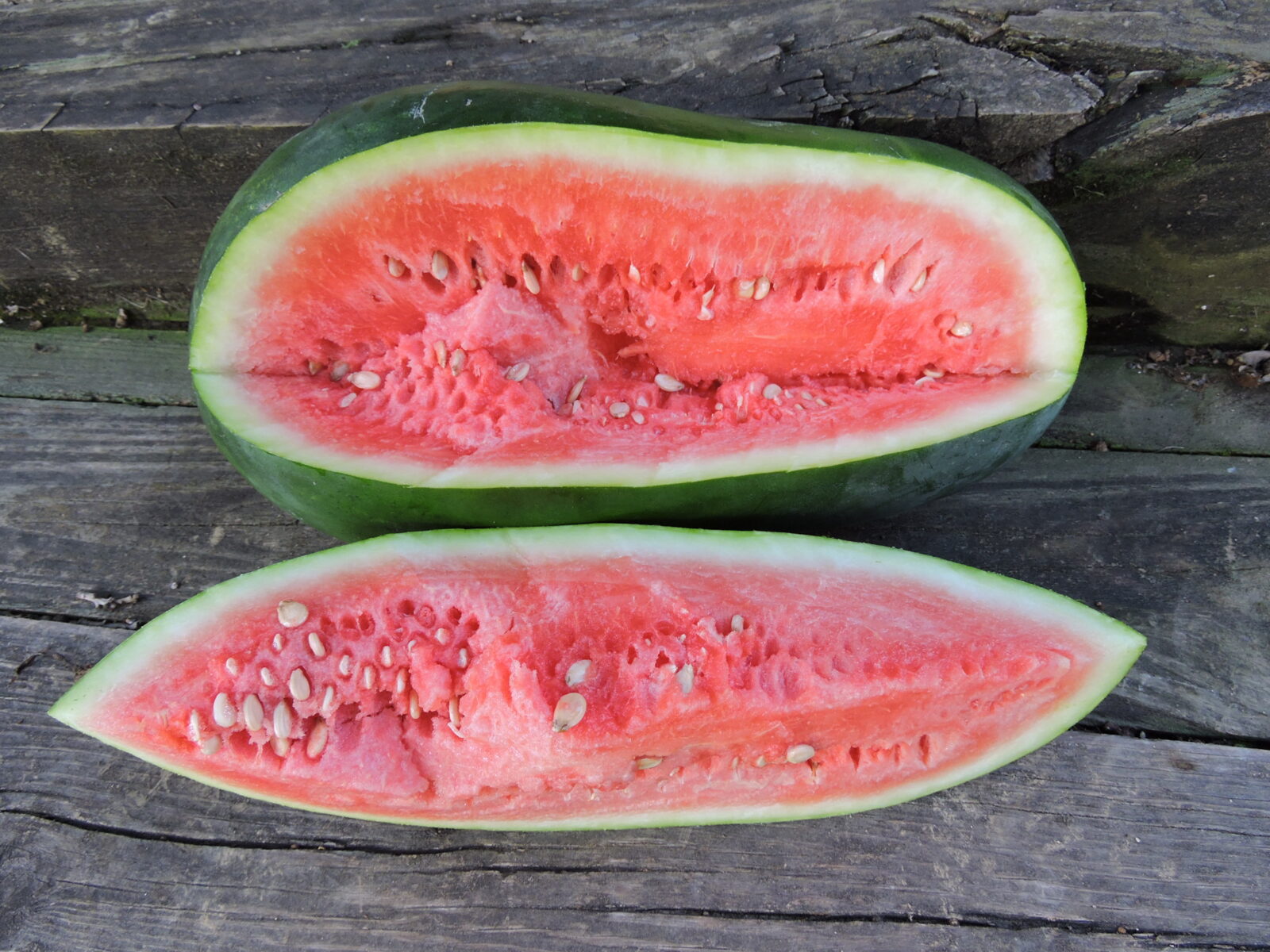
Known a century ago as one of the best watermelon varieties on the market, ‘Halbert Honey’ has a sweet flavor with a crisp juicy texture. Keep reading to learn the story behind ‘Halbert Honey’ and how this historic variety came to be at Seed Savers Exchange.
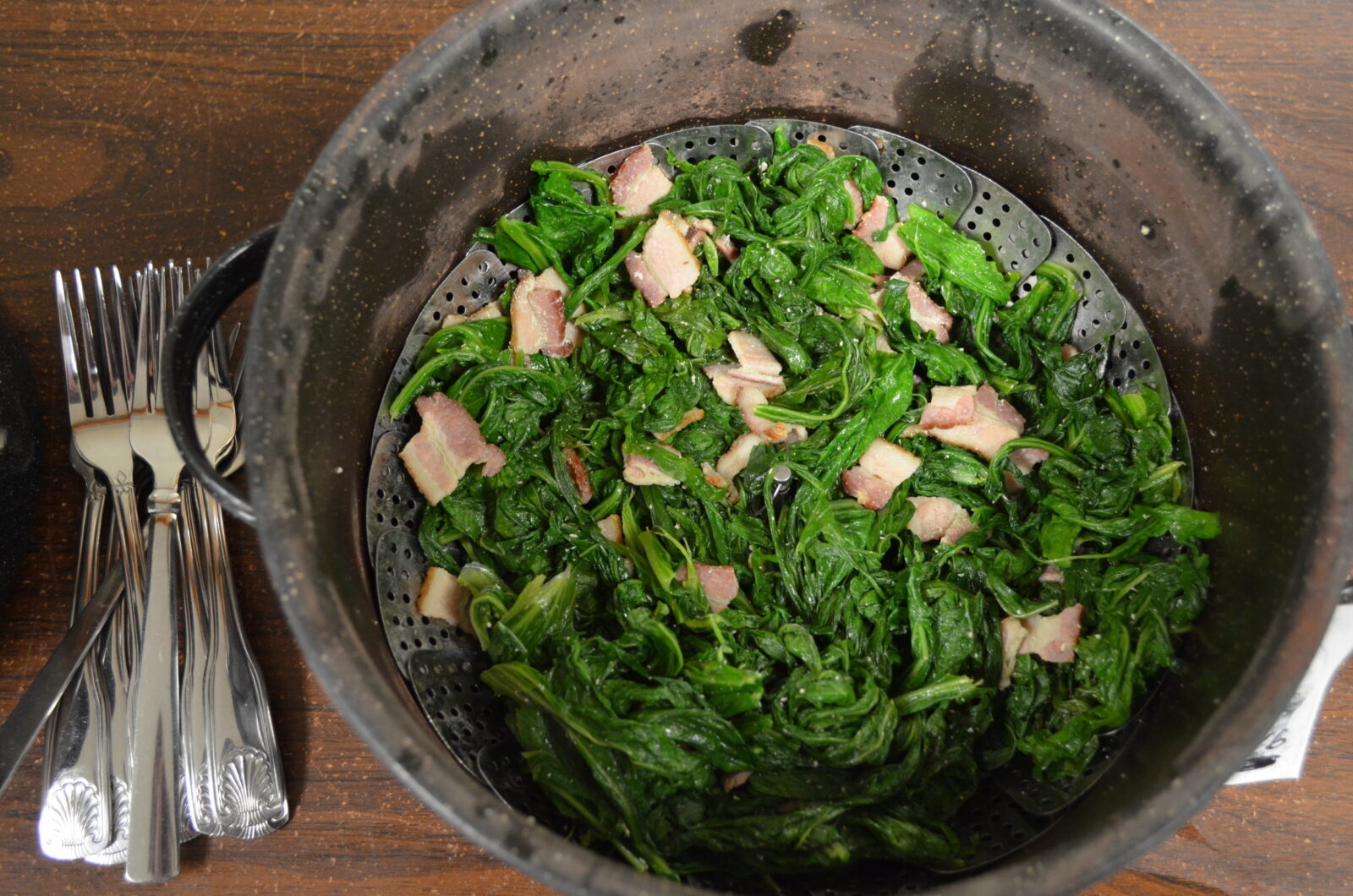
For decades, Jerome has stewarded a mustard green that’s been in his family for over a century. He and his aunt have grown the Feaster Family Heirloom since his mother, Gladys Abraham Feaster, passed away in 1989.