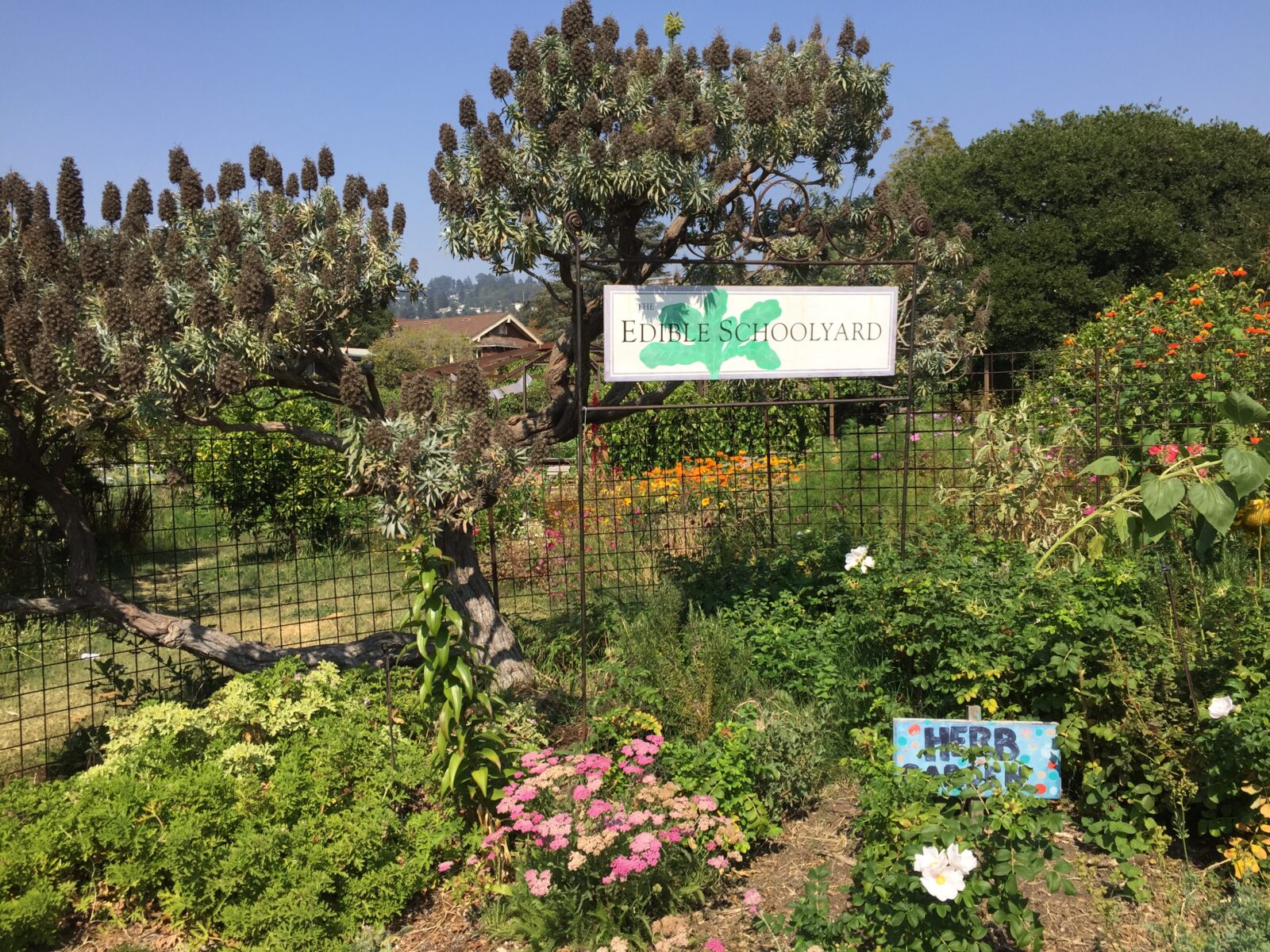
Seed Savers Exchange is excited to announce a multi-partner collaborative effort with Alice Waters’s Edible Schoolyard Project. This effort will continue the work of the Heirloom Collard Project and bring in longtime Seed Savers Exchange partner SeedLinked. The purpose of this project is to create a curriculum for middle school students around growing collard greens.
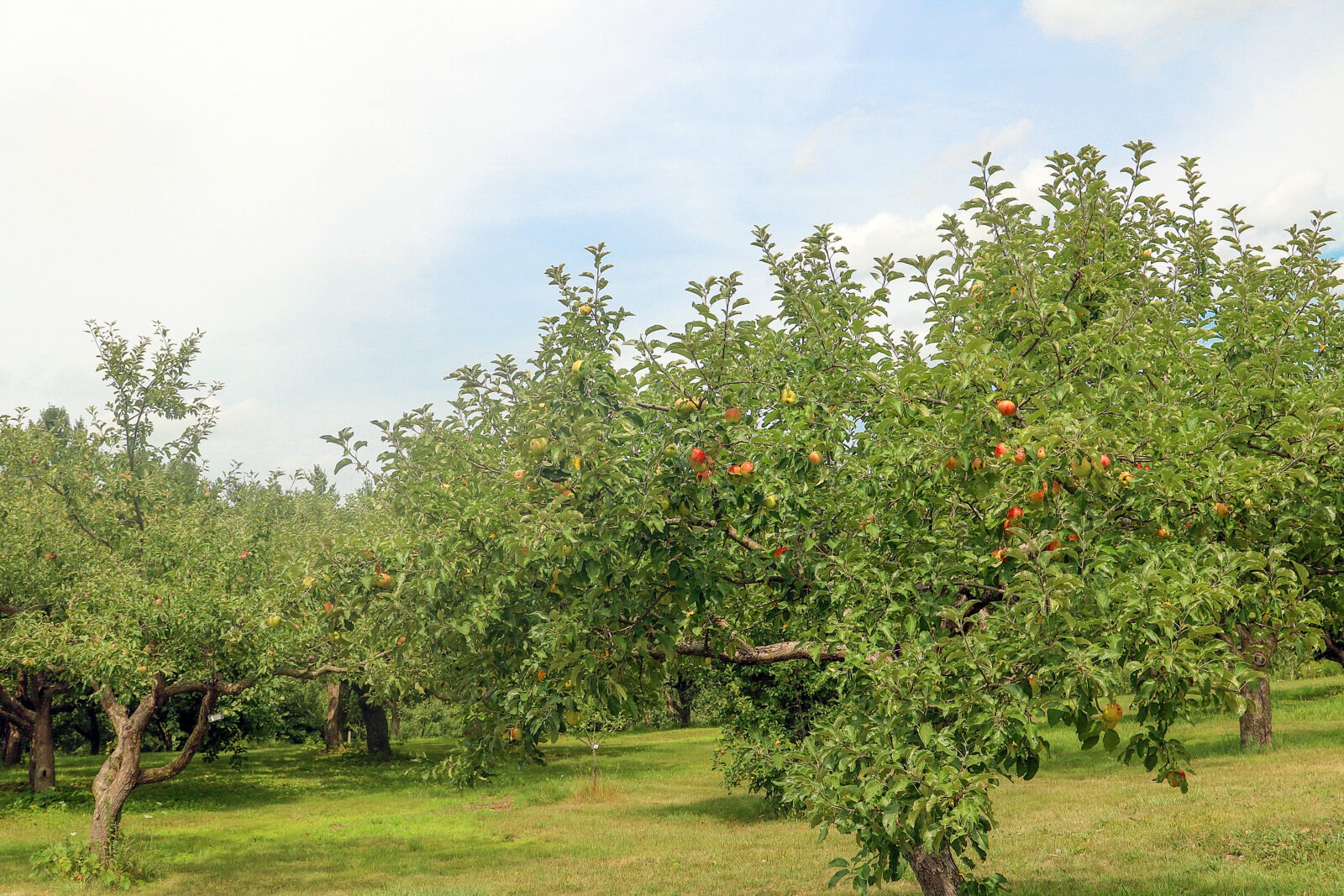
As an orchard intern, it was my responsibility to learn about the heritage apples grown here and research information about these historical varieties.
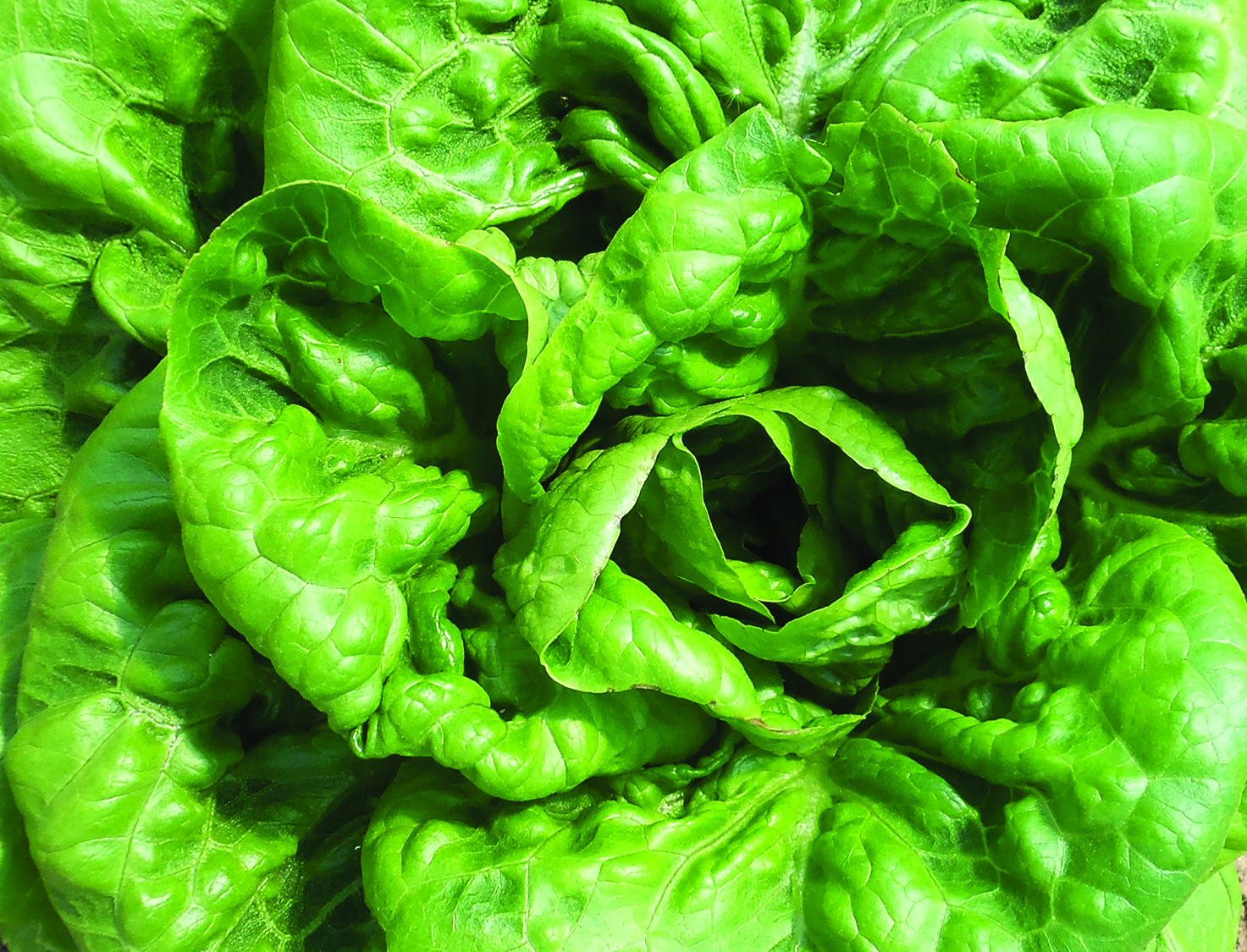
In 1937, Nestor and Amber Keene acquired a very special Bibb lettuce from Nestor’s Aunt Mae Smith of Millheim, Pennsylvania, who had, in turn, received it from “local folks named Zimmerman who had grown it for decades in Brush Valley.”
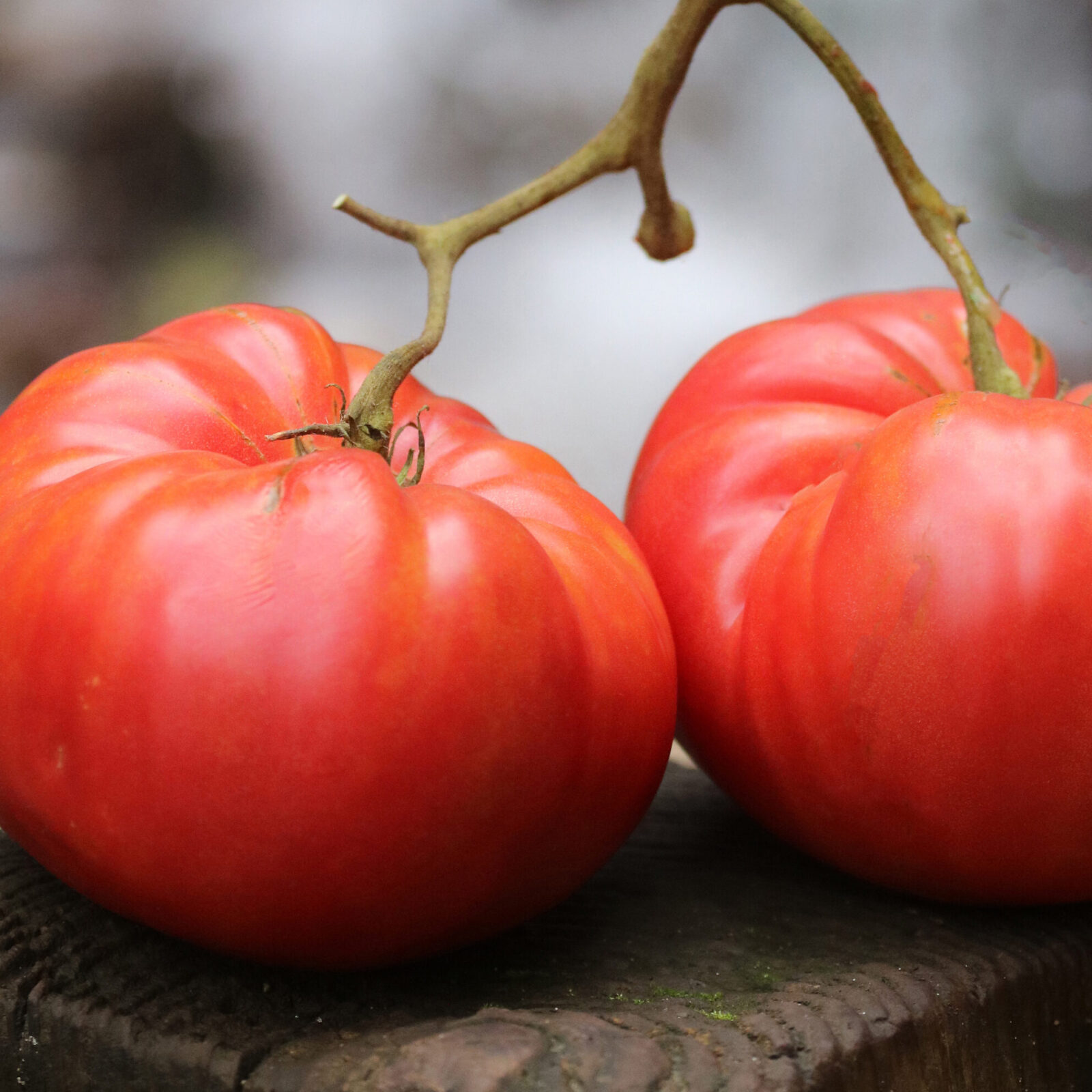
Here at Heritage Farm—the Northeast Iowa home of Seed Savers Exchange—the ‘German Pink’ tomato is perhaps best known as “tomato number one” or “the tomato that started it all.”
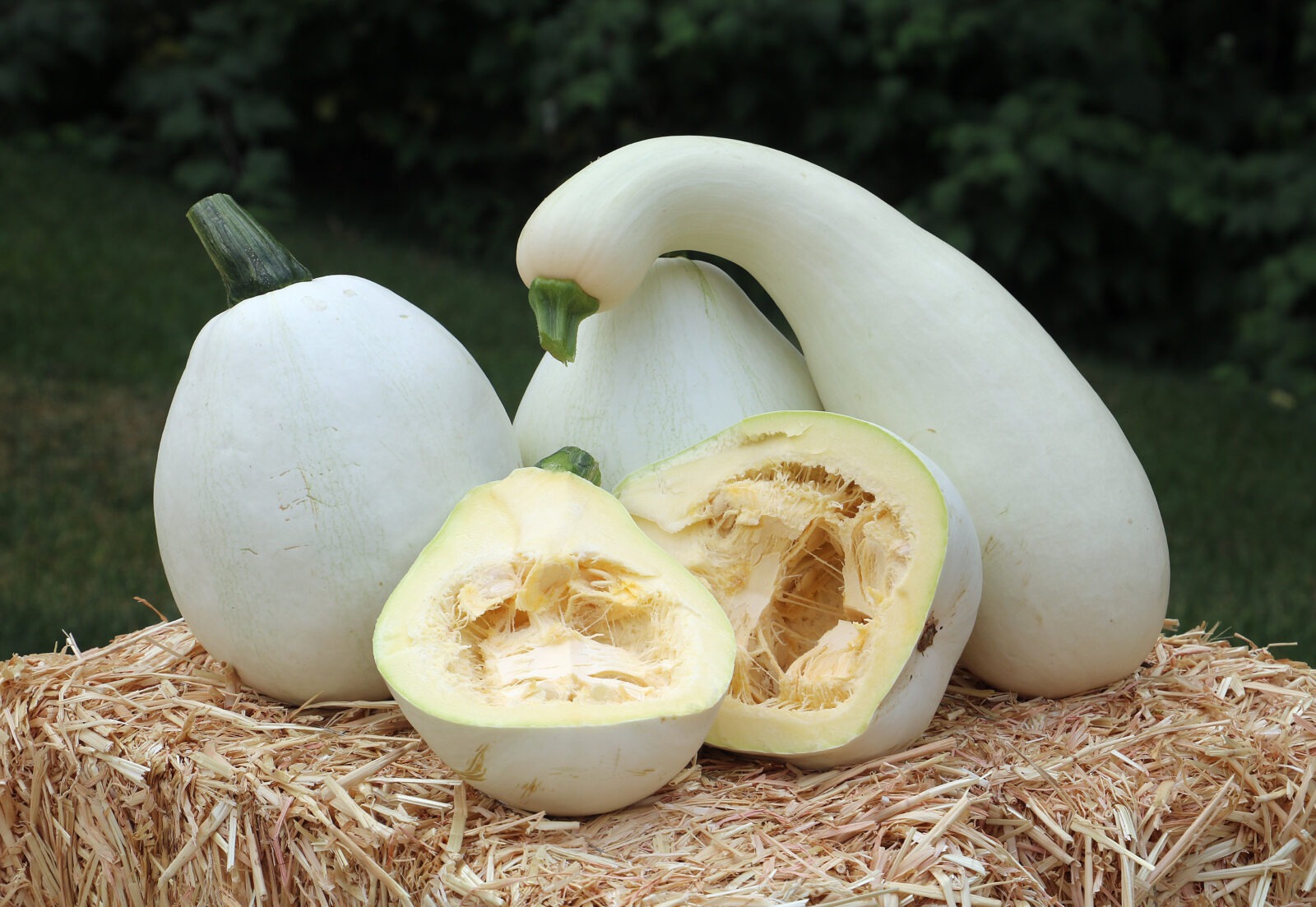
Lovers of unique heirloom pumpkins can thank the late Wayne Fortna of Gettysburg, Pennsylvania, for the delicious, productive, and truly beautiful ‘Fortna White’ pumpkin. Seed Savers Exchange is thrilled to introduce the ‘Fortna White’ as a featured From the Collection variety in 2024.
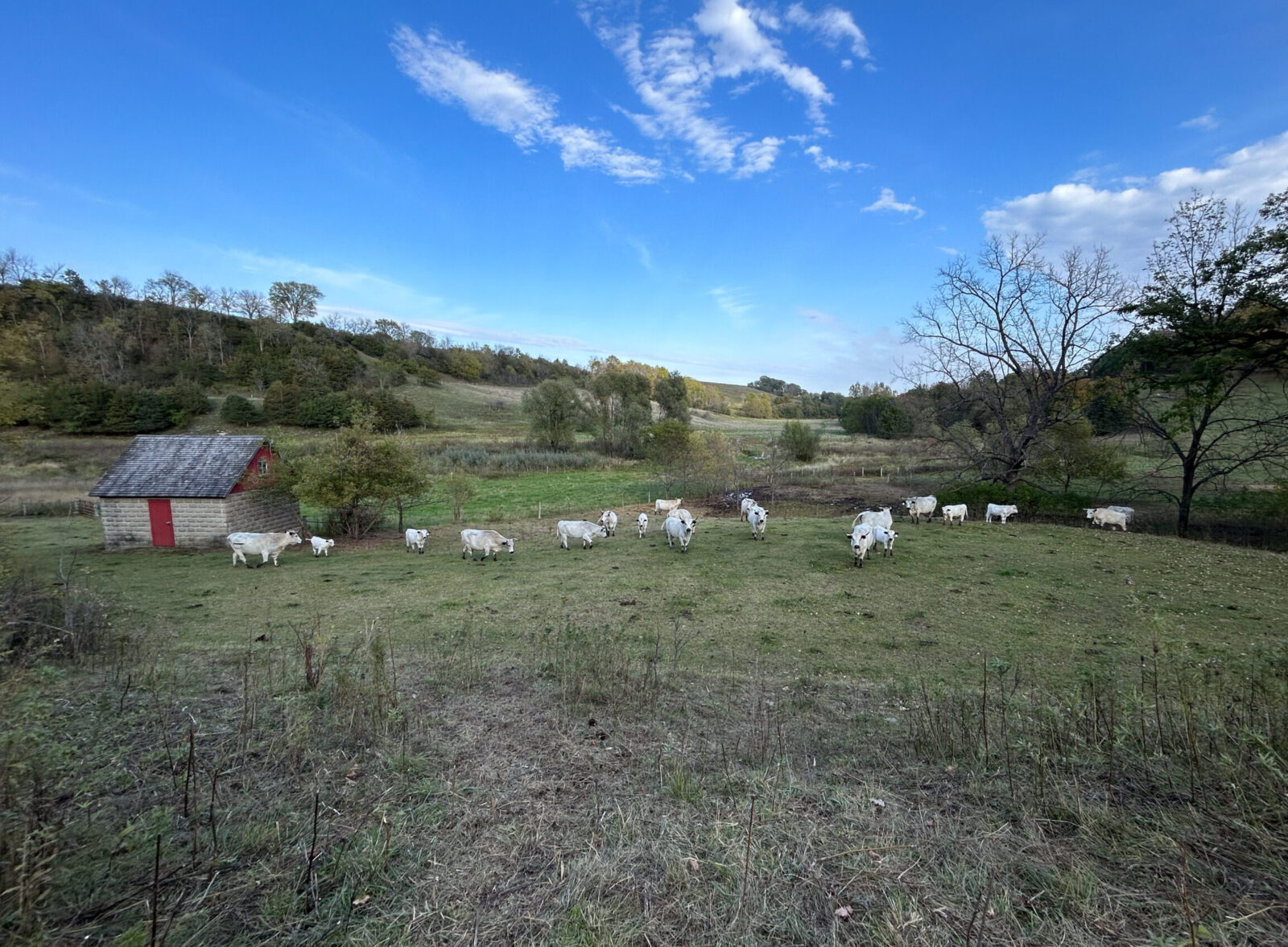
Wait a second, you thought Seed Savers Exchange only stewarded seeds? Think again! Heritage Farm is home to two herds of Ancient White Park cattle, cared for by Seed Savers Exchange. These heritage cows are part of an ongoing conservation effort and an important part of Seed Savers Exchange’s mission.
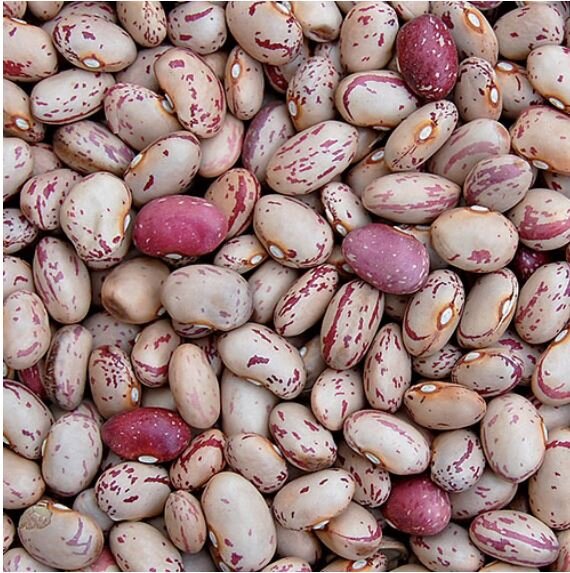
Lina Sisco of Wadena, Missouri, was one of the original listed members of the True Seed Exchange (as Seed Savers Exchange was known until 1979) and the donor of the beautiful and popular ‘Lina Sisco Bird Egg’ bean.
Russ Crow’s earliest gardening memories are with his father, planting tomatoes. Inspired, Russ convinced his father to build a 2×2 foot plot in the yard to cultivate. “I planted it entirely in radishes. Solid radishes,” laughed Russ, nostalgically.
Kathleen Plunkett-Black grew up in Vermont, gardening with her father. One year, he decided to let Kathleen and her two siblings each have their own small plots planted with anything they wanted. “I picked celery, my brother picked peanuts, and my sister picked Brussels sprouts,” she remembers, laughing.