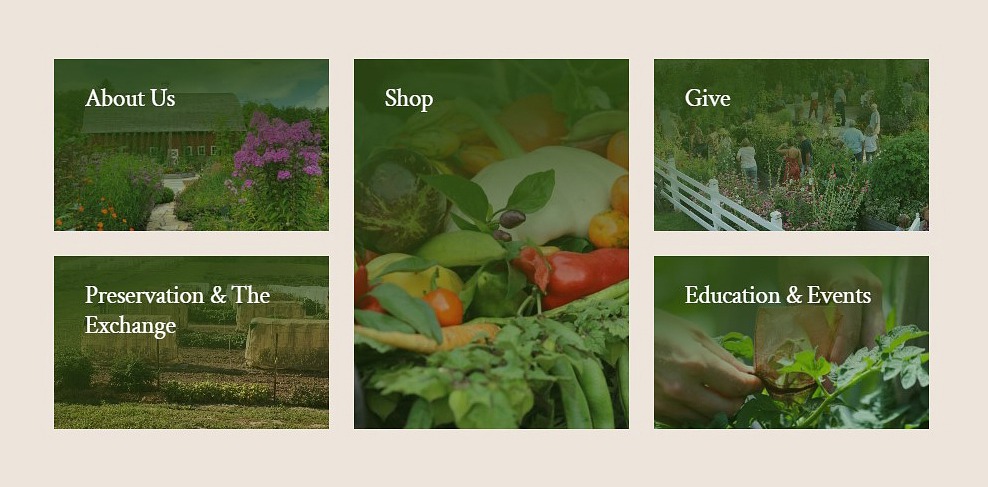
The new Seed Savers Exchange website highlights the impressive impact of nearly 50 years of participatory preservation efforts, and offers a closer look at current programming. SSE aims to engage people of all ages and backgrounds in gardening and seed saving and facilitate their ability to grow healthy, heirloom food.
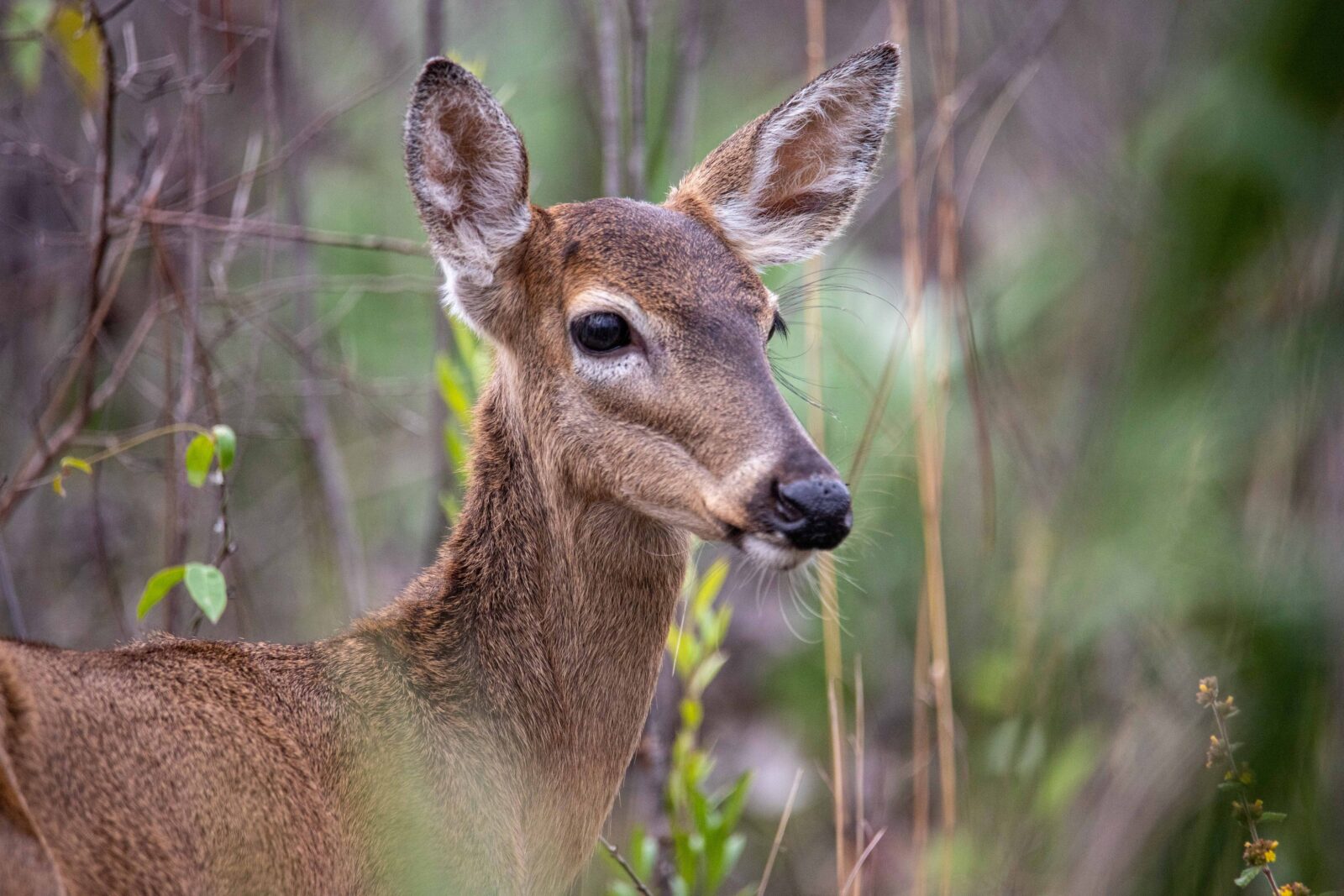
Anyone who has an orchard or garden knows how frustrating it is to work day in and day out only to find deer have eaten your lettuce, trampled your tomatoes, pulled up turnips and carrots, ripped the leaves off your young apple trees, or eaten the fruits off the trees.
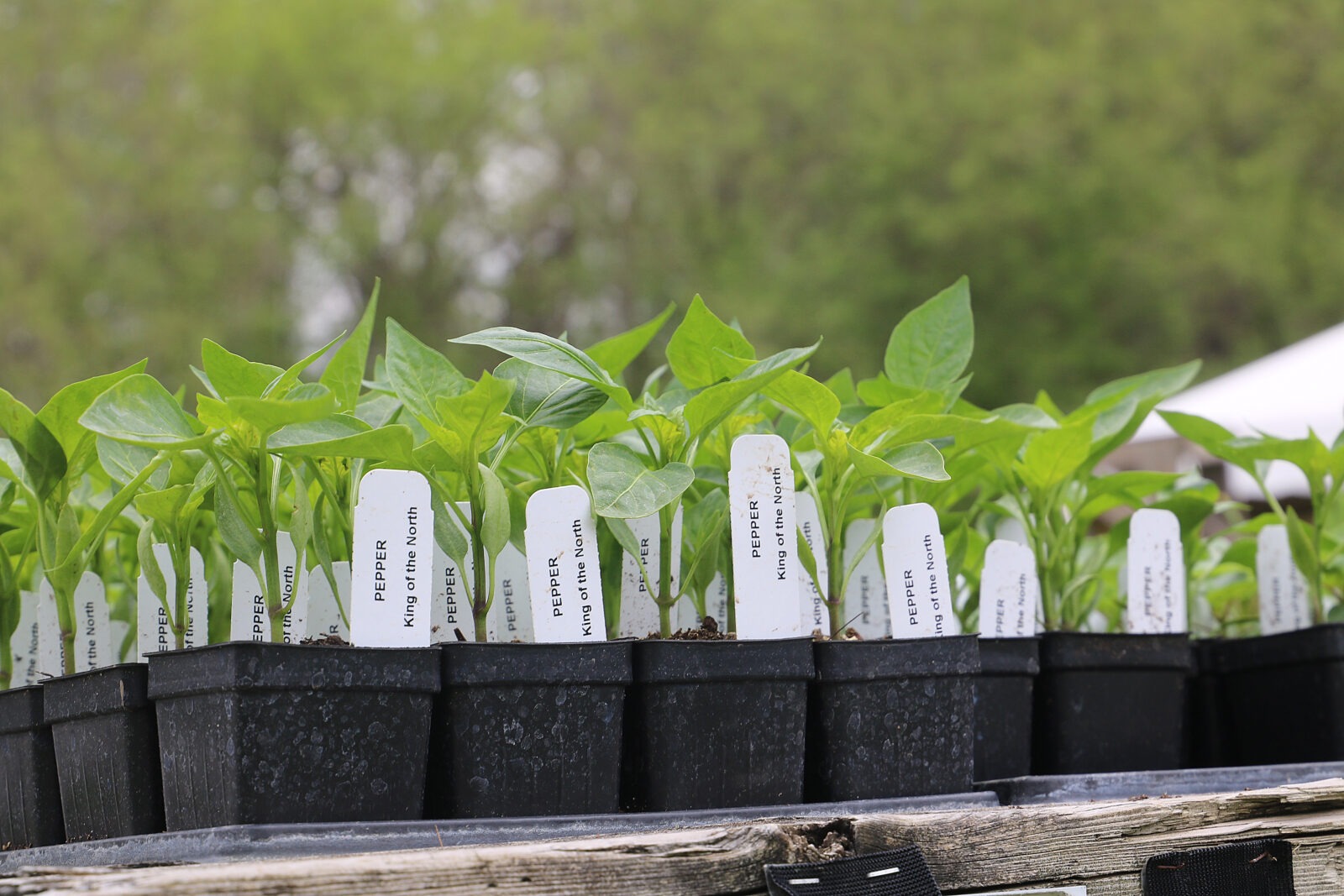
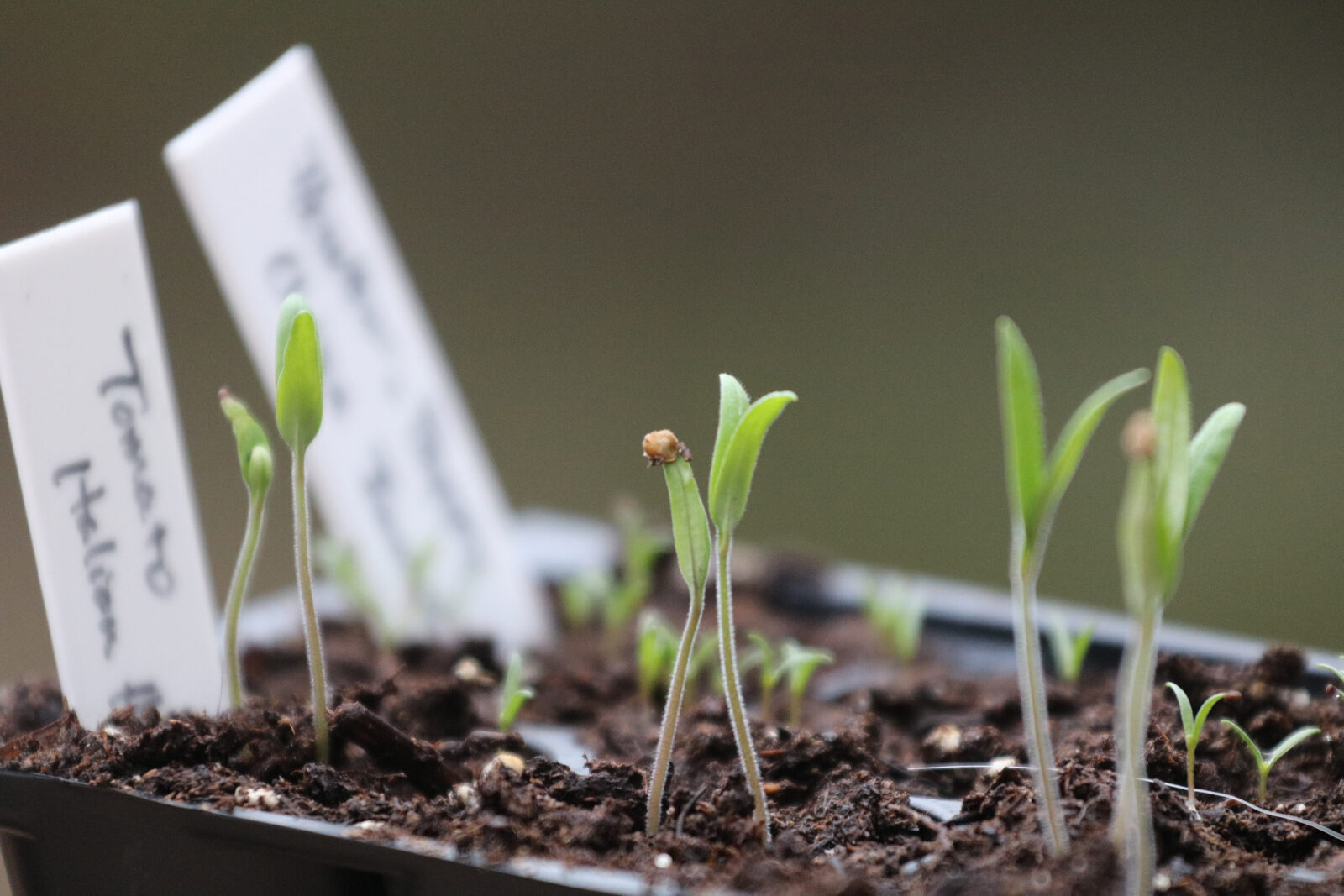
Two of the most popular crops to start indoors and transplant out are peppers and tomatoes. These tips will help ensure that you will have healthy, happy plants after you introduce them to the great outdoors.
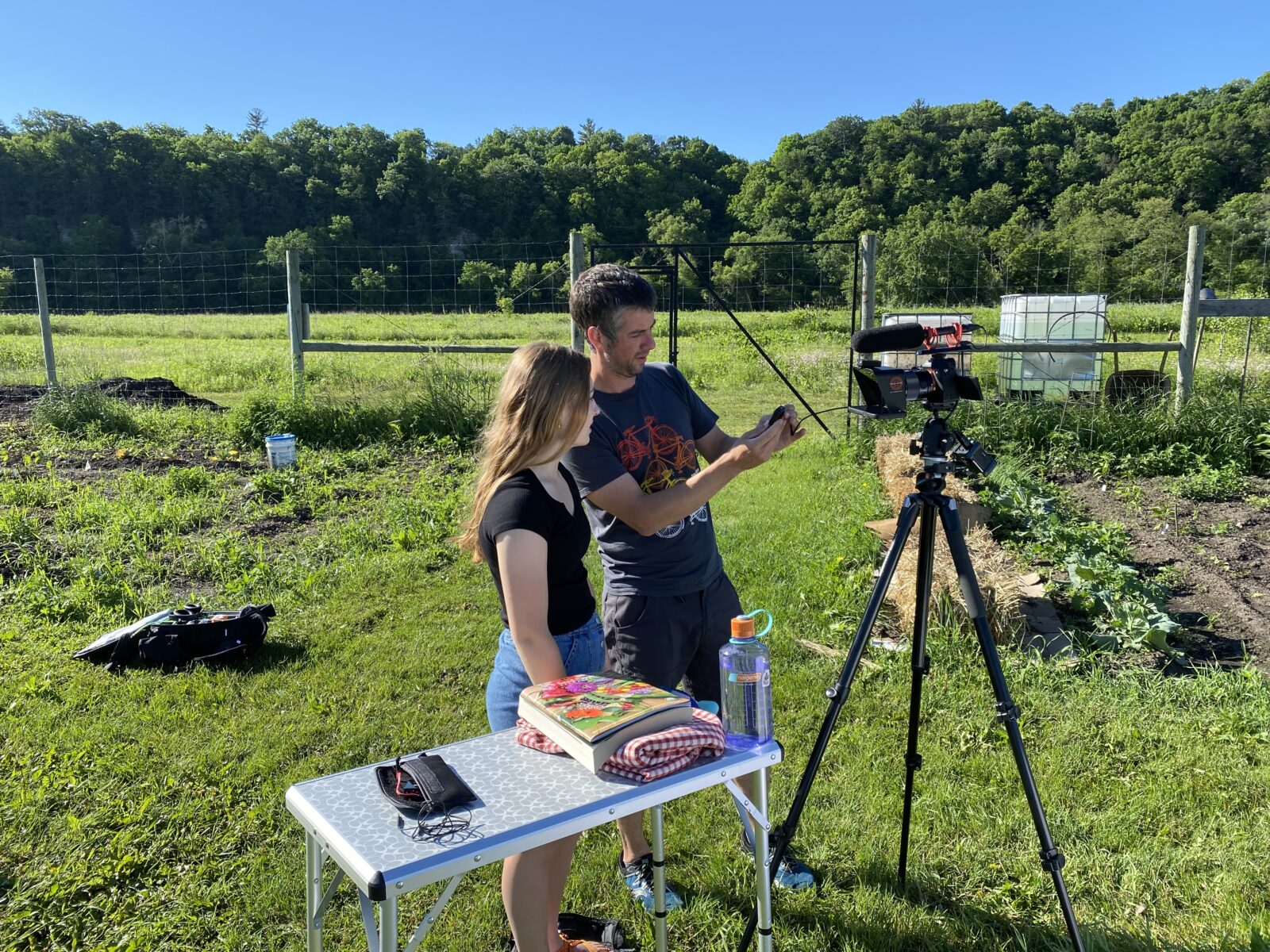
This summer I had the wonderful opportunity to create community, strengthen my gardening abilities, grow connections with knowledgeable individuals—and share what I have learned in the process of it all—here at Seed Savers Exchange in Decorah, Iowa.
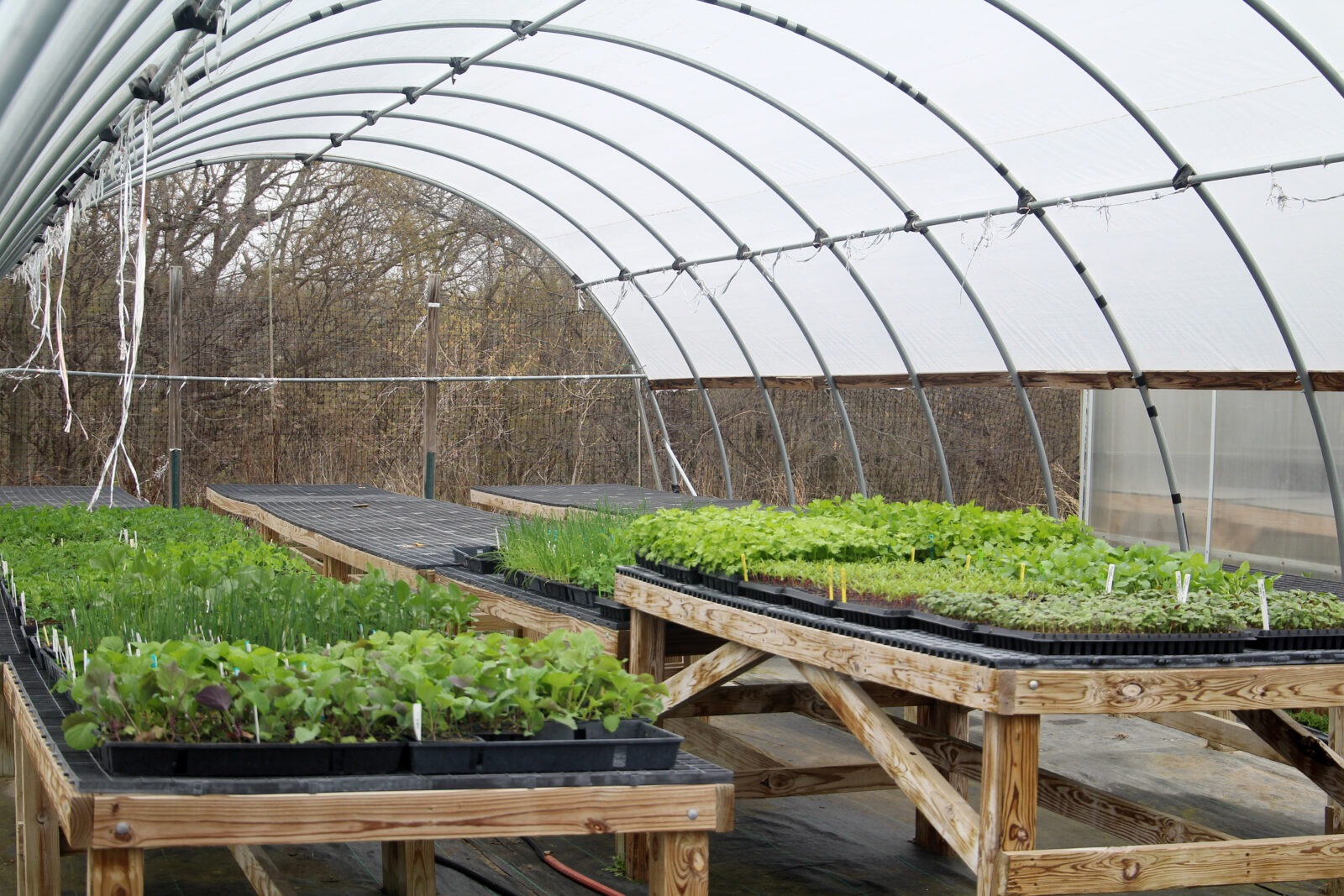
There are many compelling reasons to start seeds indoors, but a few sprout to the top. It’s a great way to grow long-season crops in cool climates. It creates an opportunity to harvest fruits earlier. And did we mention it’s fun?
From planning for the next year, to processing and packaging seeds from the previous growing season, there is plenty of work to keep everyone (including interns!) busy at Seed Savers Exchange in winter.
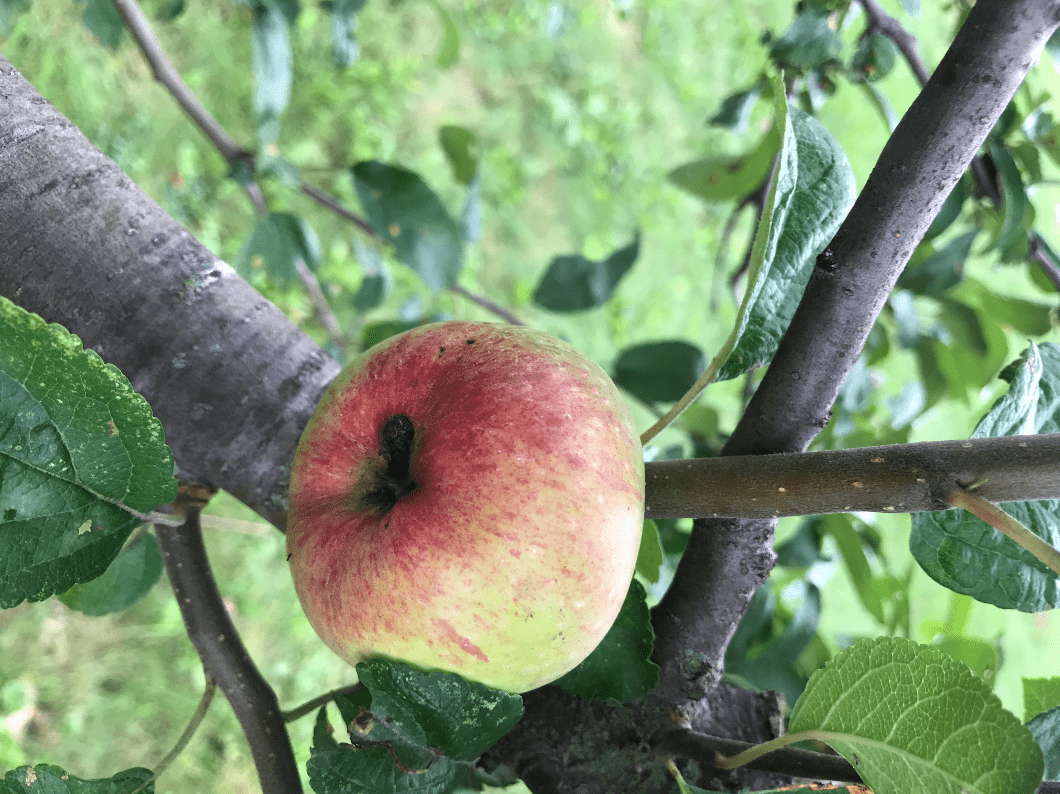
Beyond the years covered in the beloved Little House on the Prairie series, and before the books made Ingalls a household name, Laura and her husband, Almanzo, tended an orchard in Missouri, growing Missouri Pippin and Ben Davis apples. Both varieties are part of the Seed Savers Exchange collection and are offered on the Exchange.
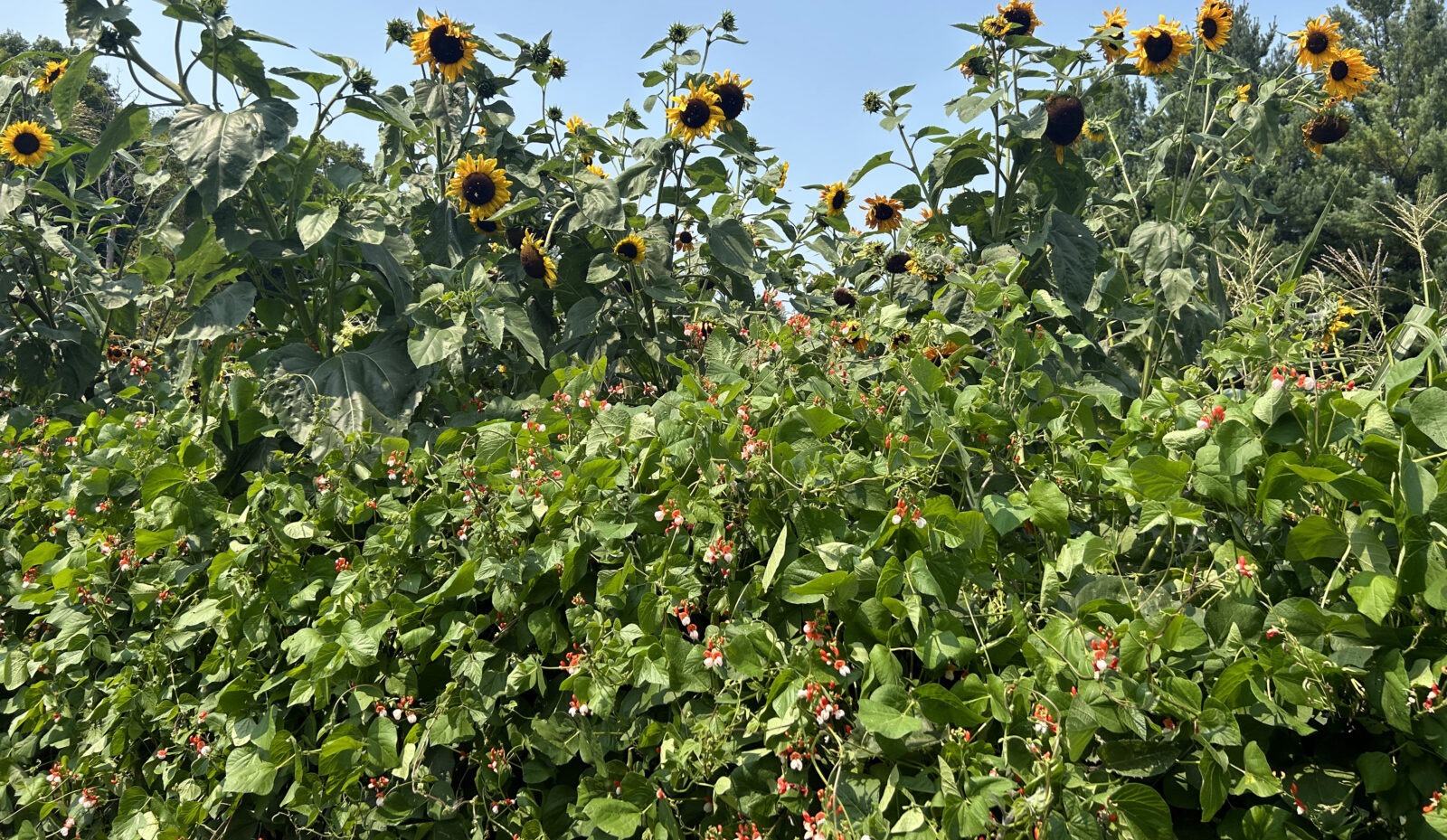
In the United States, runner beans are undervalued as an edible crop and usually grown as ornamentals for their large, showy, often scarlet-colored flowers. American horticulturalist Fearing Burr recognized their eating qualities in his 1863 book Field and Garden Vegetables of North America, stating “its value as an esculent has not been generally appreciated.” This remains true today.
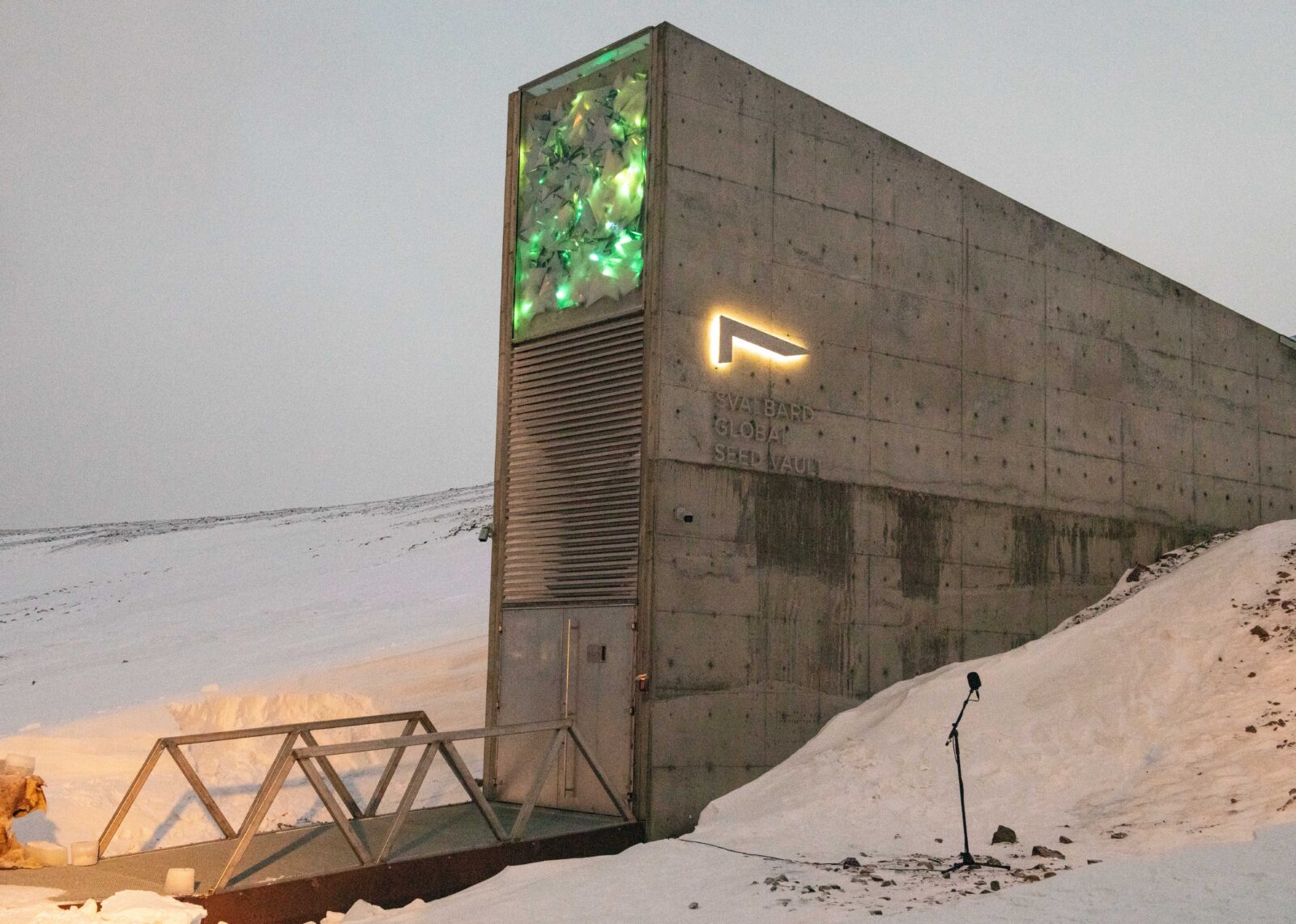
Since many of us at Seed Savers Exchange consider Cary Fowler to be one of the “family”—he has been on the SSE board and has advised us and spoken at our Campouts—I thought he’d be the best resource to help us understand what Svalbard is and isn’t.