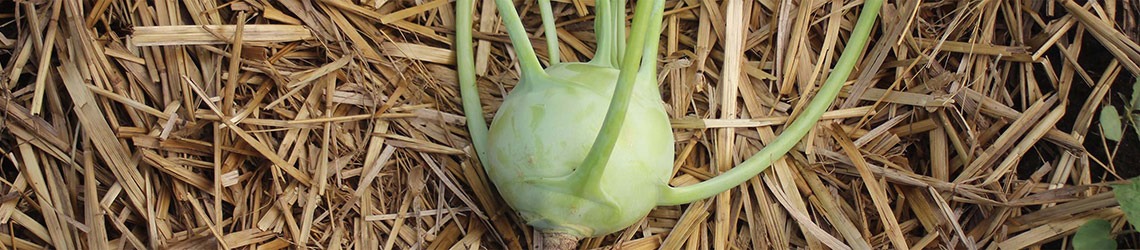
Growing Guide: Kohlrabi
Kohlrabi, sometimes called German turnip or turnip cabbage, was developed by selection for an enlarged edible stem.
Read More
Kohlrabi, sometimes called German turnip or turnip cabbage, was developed by selection for an enlarged edible stem.
Read More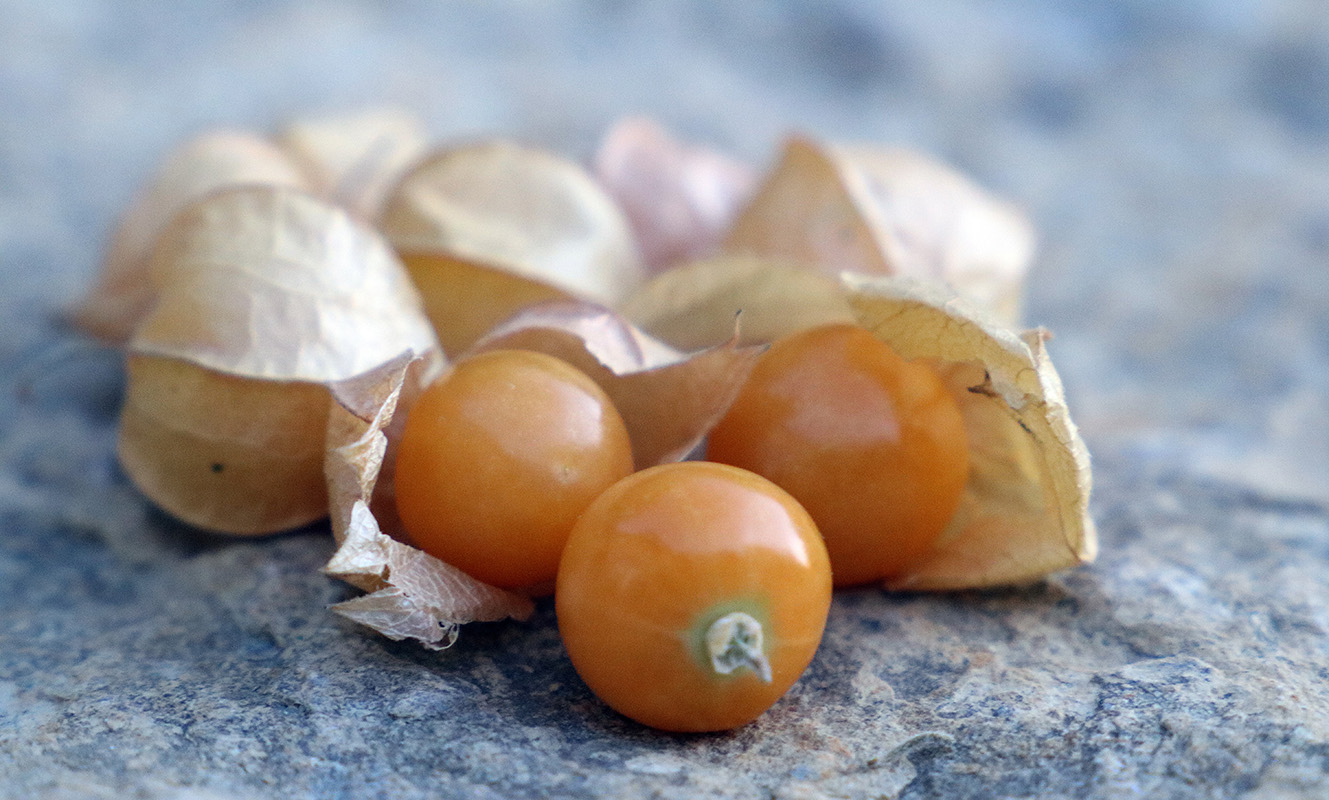
Commonly known as ground cherry, dwarf cape gooseberry, and strawberry tomato, this plant produces a small, yellow, edible berry surrounded by a papery husk.
Read More
This culinary staple is rarely propagated from seeds. Instead a few aromatic bulbs of garlic are saved from the harvest and replanted year after year.
Read More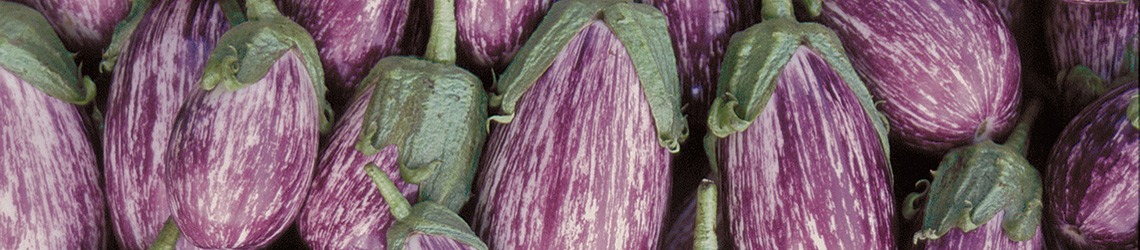
Eggplant can be a beautiful addition to your garden. Eggplant enjoy a long growing season, but you can extend your season by starting plants indoors.
Read More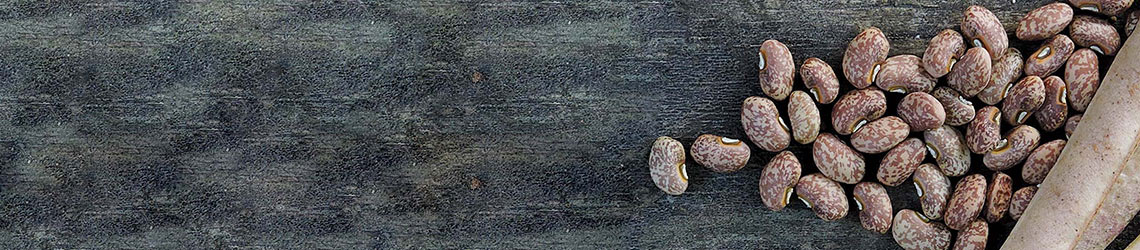
Although cowpea is a well known garden plant in the South, this crop deserves more attention across the country. Its long, slender pods are filled with a prolific number of seeds.
Read More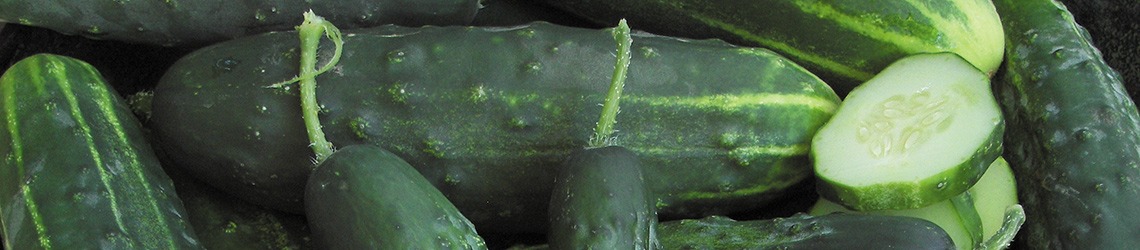
Cucumbers grow well in many regions of the United States, producing prolific quantities of fruit that can be enjoyed fresh or preserved as pickles.
Read More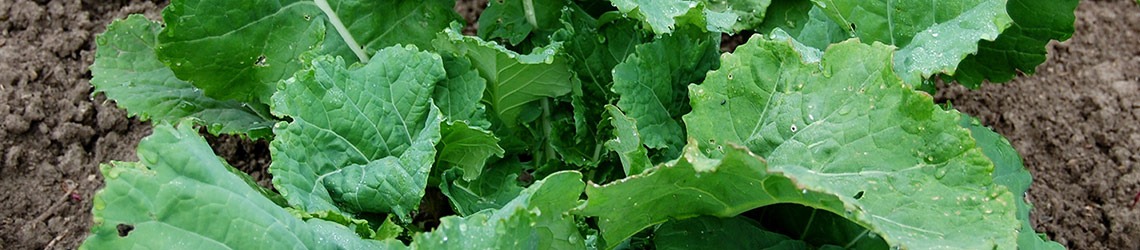
While collard greens have traditionally been enjoyed in the American South, this hearty Brassica oleracea plant grows well in many regions around the United States.
Read More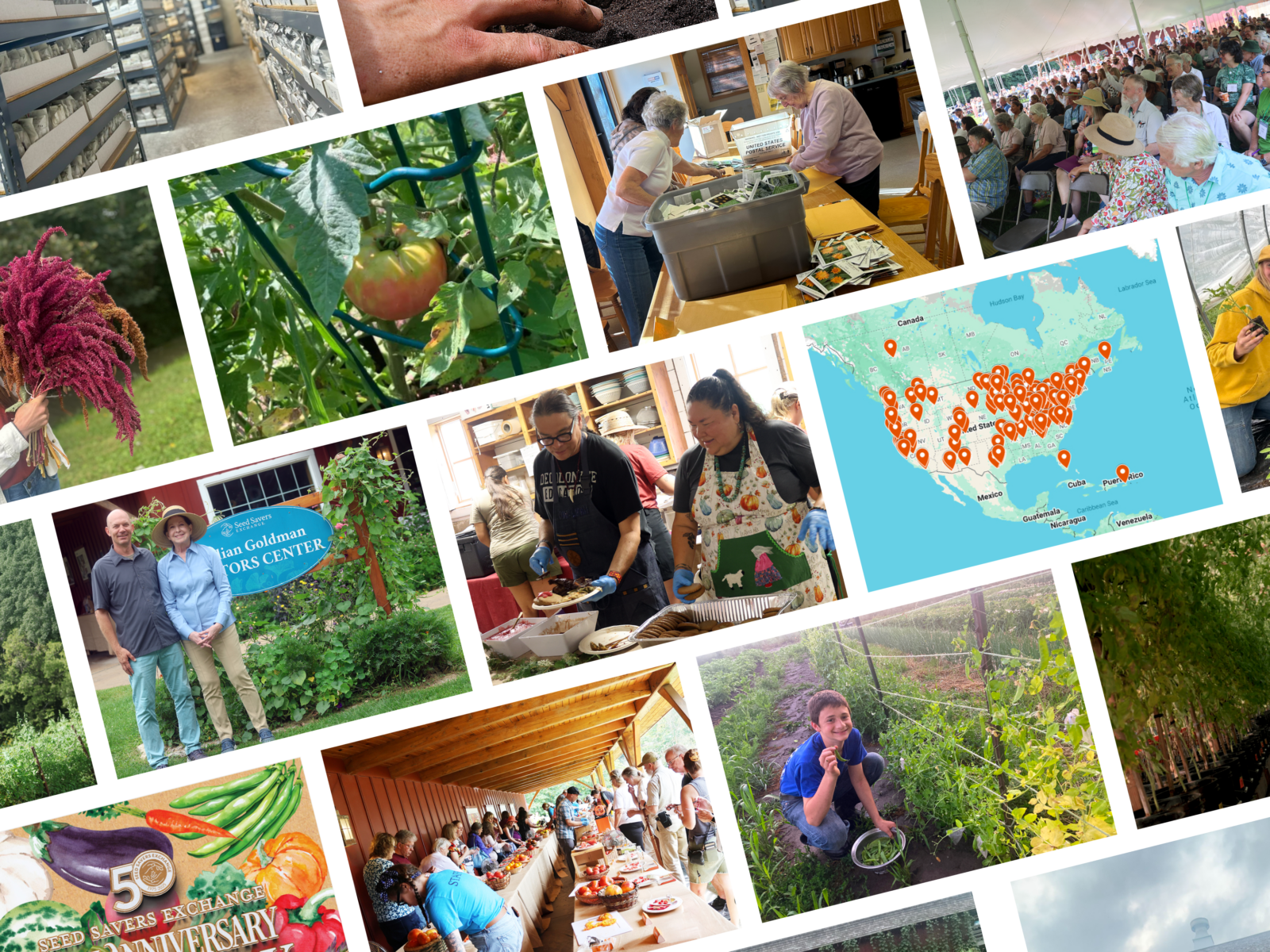
Financial & Impact Reports, Seed Savers Exchange is a certified 501(c)(3) nonprofit organization and contributions are tax-deductible to the full extent of the law. We are thankful for the support of our community that makes our important work possible. And we are committed to putting every dollar donated to our nonprofit mission to the best and most effective use.
Read More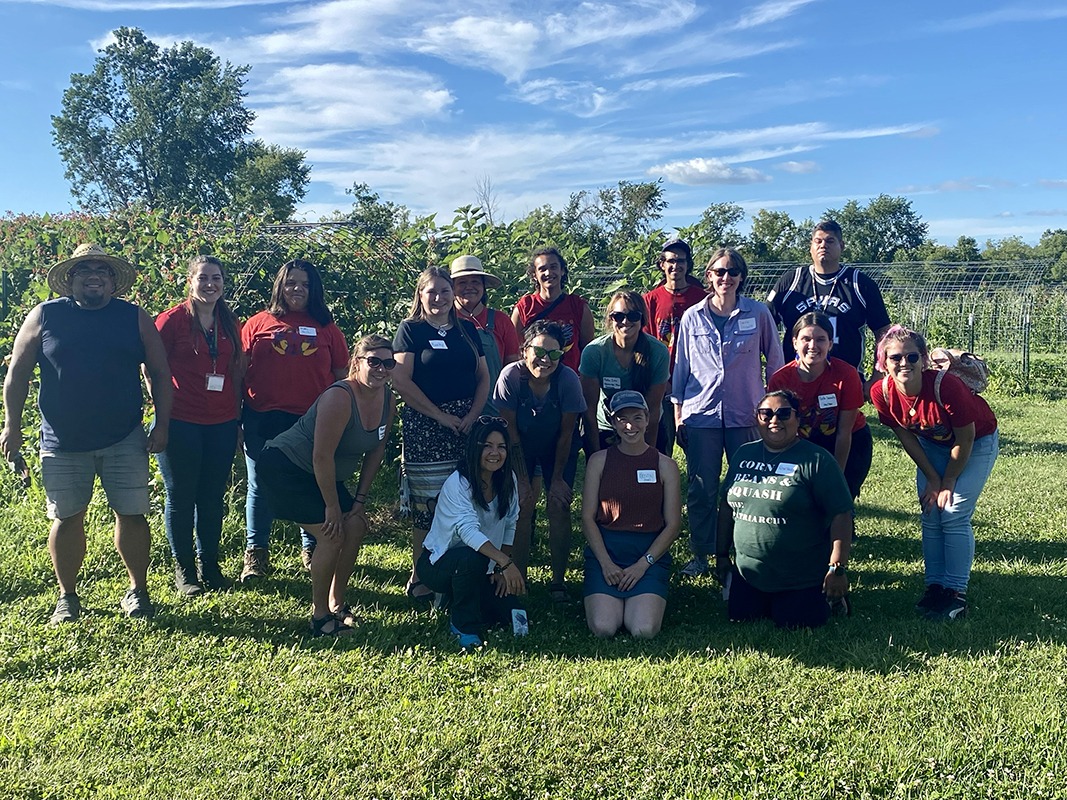
Seed rematriation addresses the desire for Indigenous communities to actively reclaim their ancestral seeds and traditions. Seed Savers Exchange, with grants from North Central Region Sustainable Agriculture Research and Education (NCR-SARE), has actively supported Indigenous communities by rematriating seeds in the SSE collection back to their cultures of origin with the goal of practicing sustainable, sovereign, and environmentally and socially responsible agriculture.
Read More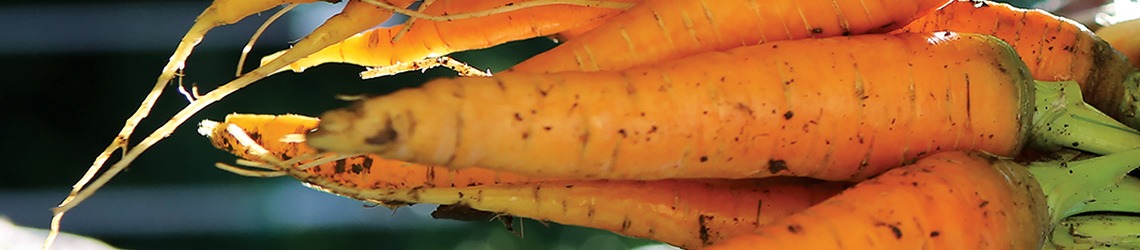
When planting carrots, be aware that they can be finicky in the early part of the season. Carrots are biennials, producing seed after two years of growth, but the reward is well worth the effort.
Read More