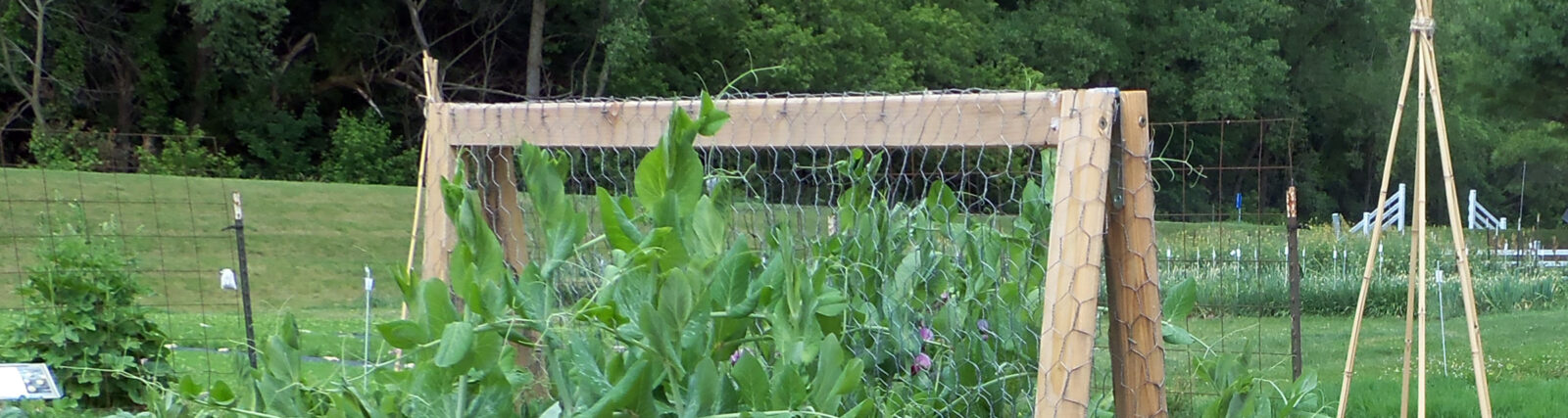
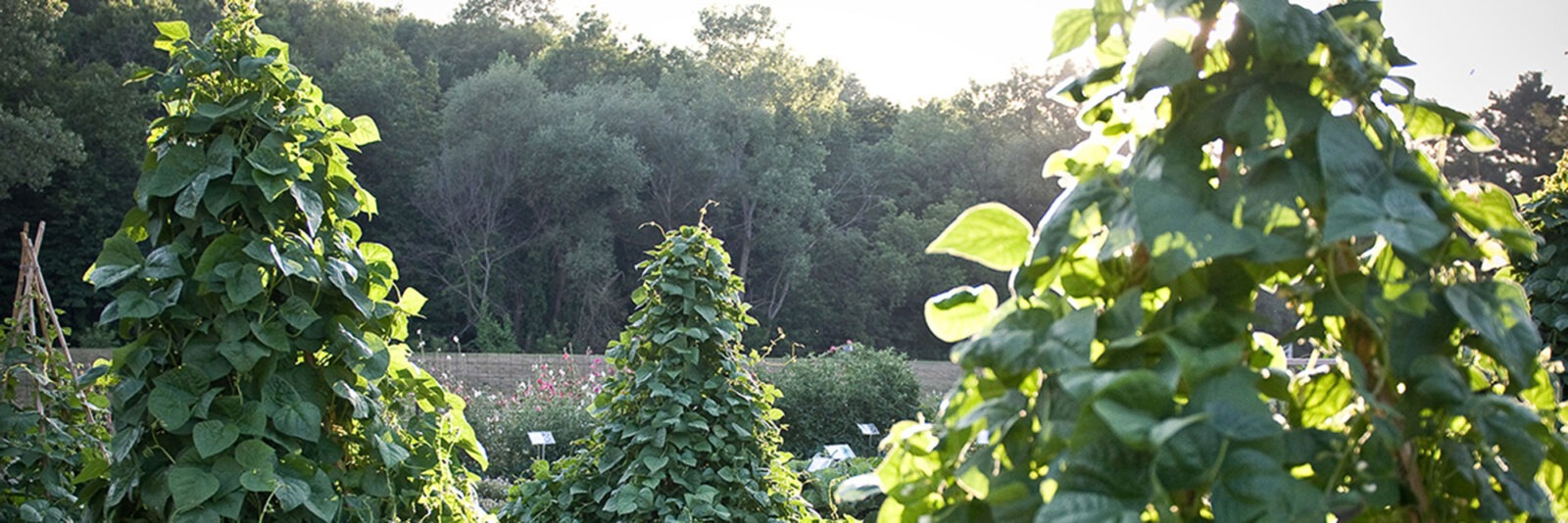
Maximize space in your garden with trellises. Some crop types—like cucumbers, tomatoes, and pole beans—need the extra support a trellis can provide, and others, like melons and squash, don’t require trellises but can benefit from being lifted off of the ground. When fruits are suspended from a trellis and kept from the soil surface, they are less prone to disease, and going vertical means that plants can grow vertically instead of sprawling, opening up some garden real estate on which to plant other crops.
Use this list of terms to expand your knowledge and understanding of seed saving and gardening. The following definitions are drawn from The Seed Garden: The Art and Practice of Seed Saving, edited by Lee Buttala and Shanyn Siegel and published by Seed Savers Exchange.
Seed Savers Exchange, Inc. respects your privacy and is committed to ensuring your personal information is handled responsibly through compliance with this Policy.
USDA Organic Handling and Processing Certification Seed Savers Exchange is certified under USDA organic regulations for the extraction, storage, packaging, labeling, and distribution of 100% organic vegetable and flower seeds.…
Sales Tax Update, Until recently, Seed Savers Exchange had only collected sales tax for orders within Iowa where we are located. A Supreme Court ruling (South Dakota v. Wayfair) changed the state sales tax obligations for all companies that sell remotely through websites and catalogs. As a result of the ruling Seed Savers Exchange will now be collecting and remitting sales tax in all required states and jurisdictions.
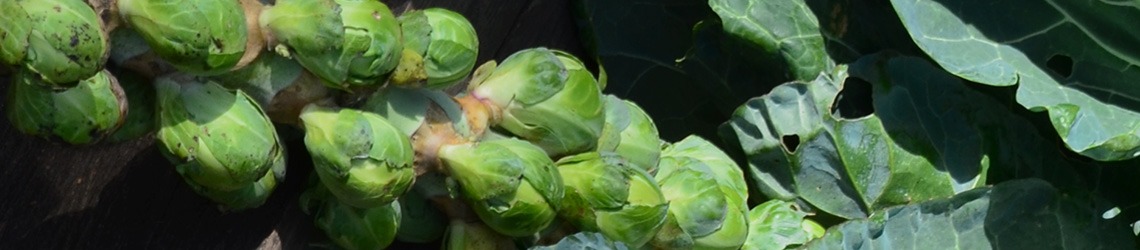
These bite-sized greens are members of the species Brassica oleracea which includes broccoli, cauliflower, kale, and cabbage. They will flower and produce seeds in their second growing season after experiencing cold weather.
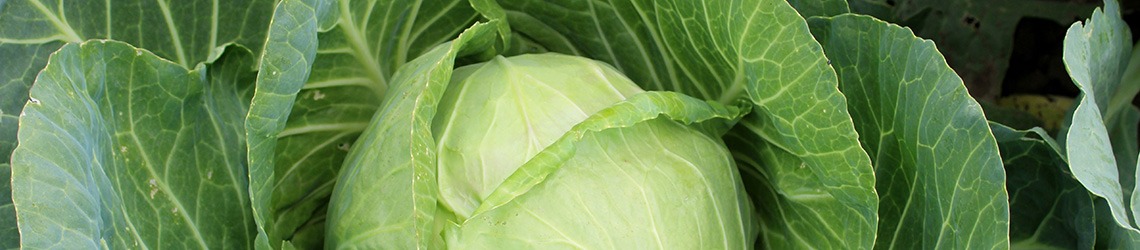
Cabbage varieties come in a spectrum of colors, from light green to dark purple. Sow cabbage seeds indoors 4-6 weeks before transplanting seedlings outdoors.
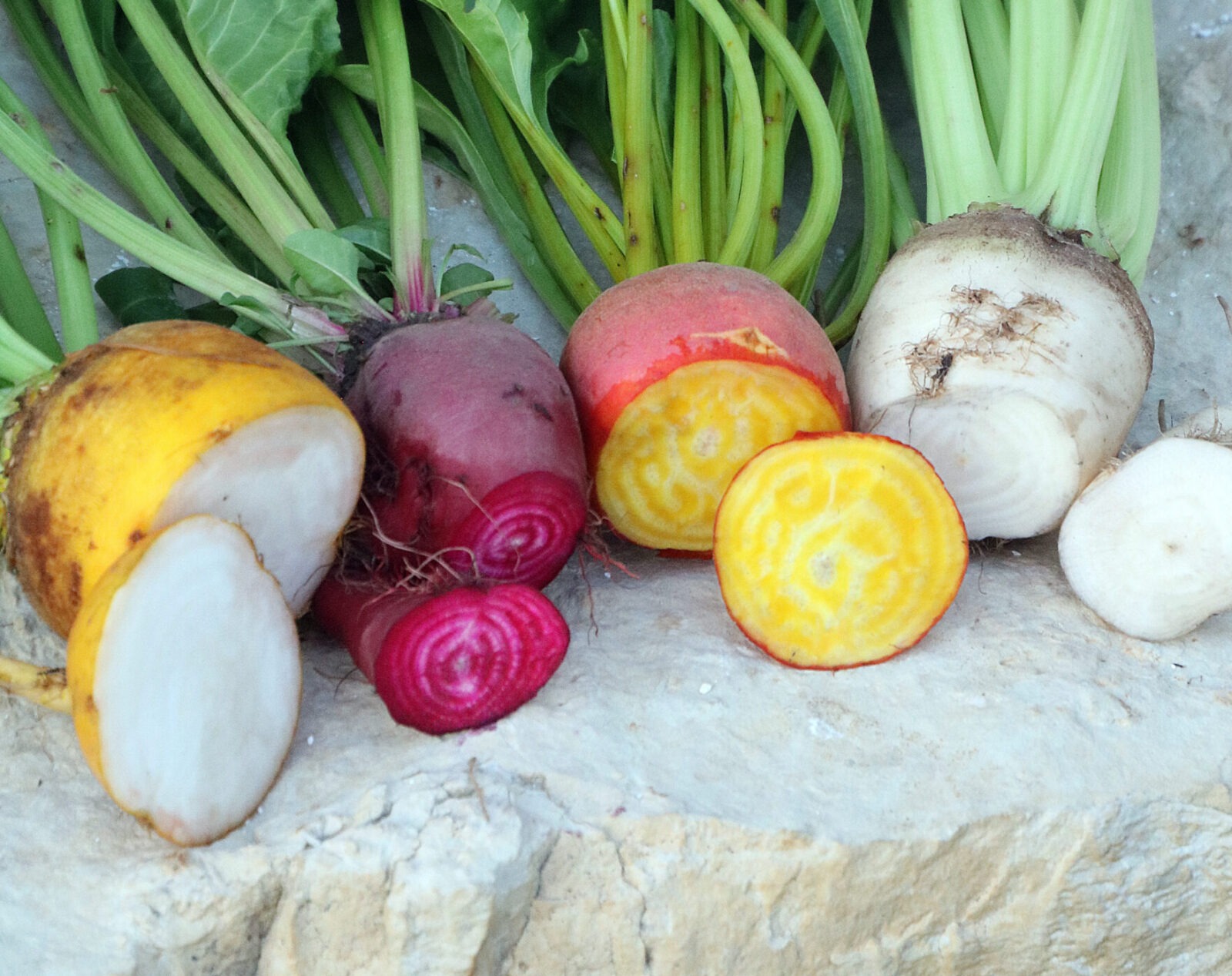
Beets are tasty and easy to grow, and both the roots and leaves can be used in cooking. Plant in early spring, as soon as soil can be worked. You can plant successive plantings until midsummer.